
Biophilic Design: How Bringing Nature Into Your Home Supports Everyday Living
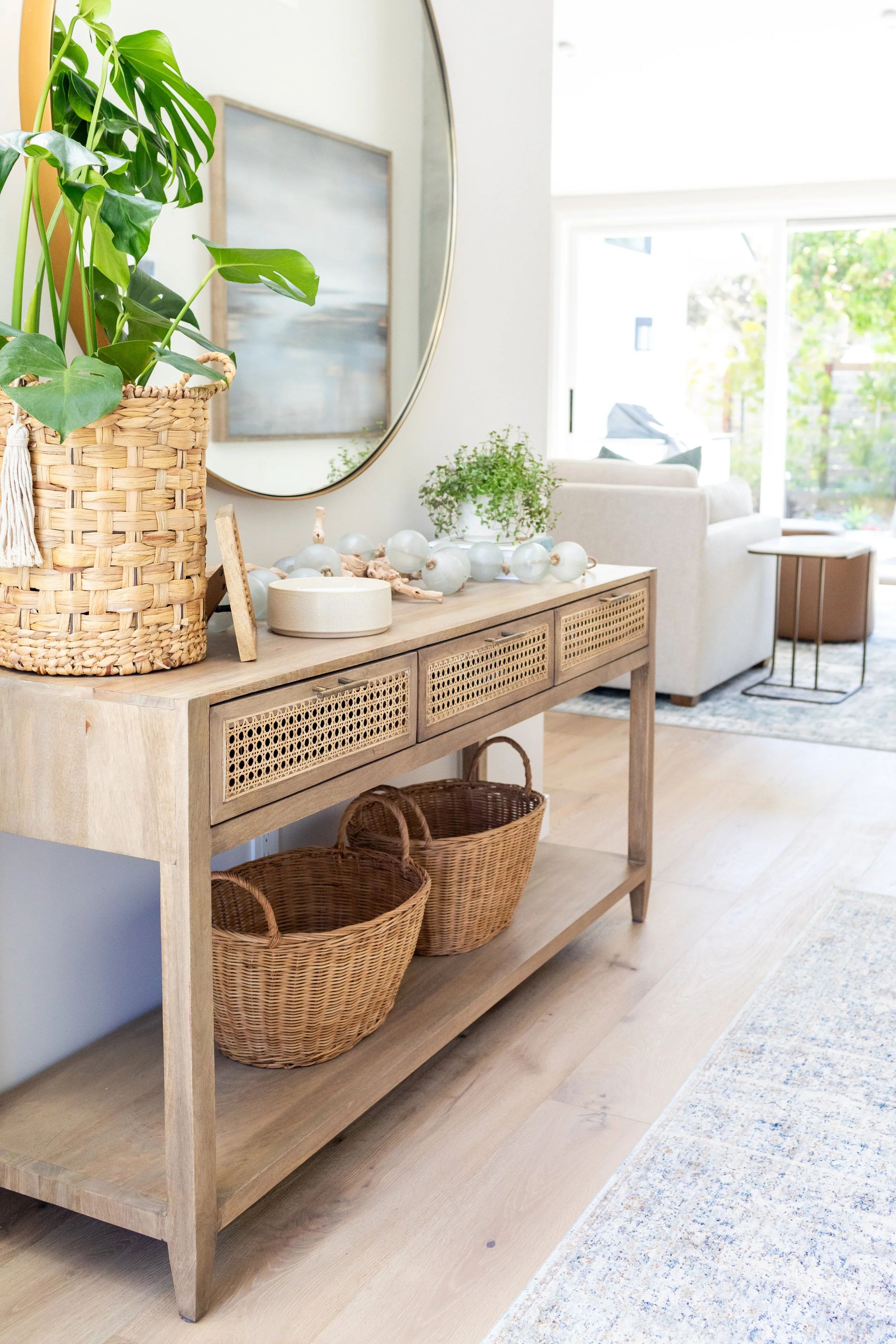
A Home in Harmony with Nature
There’s a reason we love escaping into the outdoors. Regardless of where you live, spending time in nature has a proven, positive impact on our overall health and well-being. We crave wide-open spaces unobstructed by buildings, roadways, and the constant sense of urgency that modern life brings.
For centuries, we were literally at one with nature, sleeping under open skies, harvesting our food in true farm-to-table fashion, and bathing in waterfalls or babbling creek beds. While our homes have evolved (thankfully), our bodies and nervous systems still remember those natural rhythms.
That instinctual longing to reconnect with nature is exactly where biophilic design comes in.
At Designology Studio, we see biophilic design as a thoughtful way to bridge modern living with the grounded, restorative qualities of the natural world, creating homes that don’t just look beautiful but feel good to live in.
What Is Biophilic Design?
Simply put, biophilic design is the practice of connecting people with nature within their built environments. It’s about designing homes that support well-being by incorporating natural elements, materials, light patterns, and sensory experiences that our bodies instinctively respond to.
Despite what Pinterest might suggest, biophilic design is not about filling your home with plants or committing to a specific look. It works beautifully in contemporary, coastal, transitional, and eclectic homes alike, especially here in Santa Barbara and Ventura Counties, where our climate and lifestyle naturally support indoor-outdoor living.
The goal is not perfection. It is an intention.
Why Biophilic Design Matters in Everyday Living Spaces
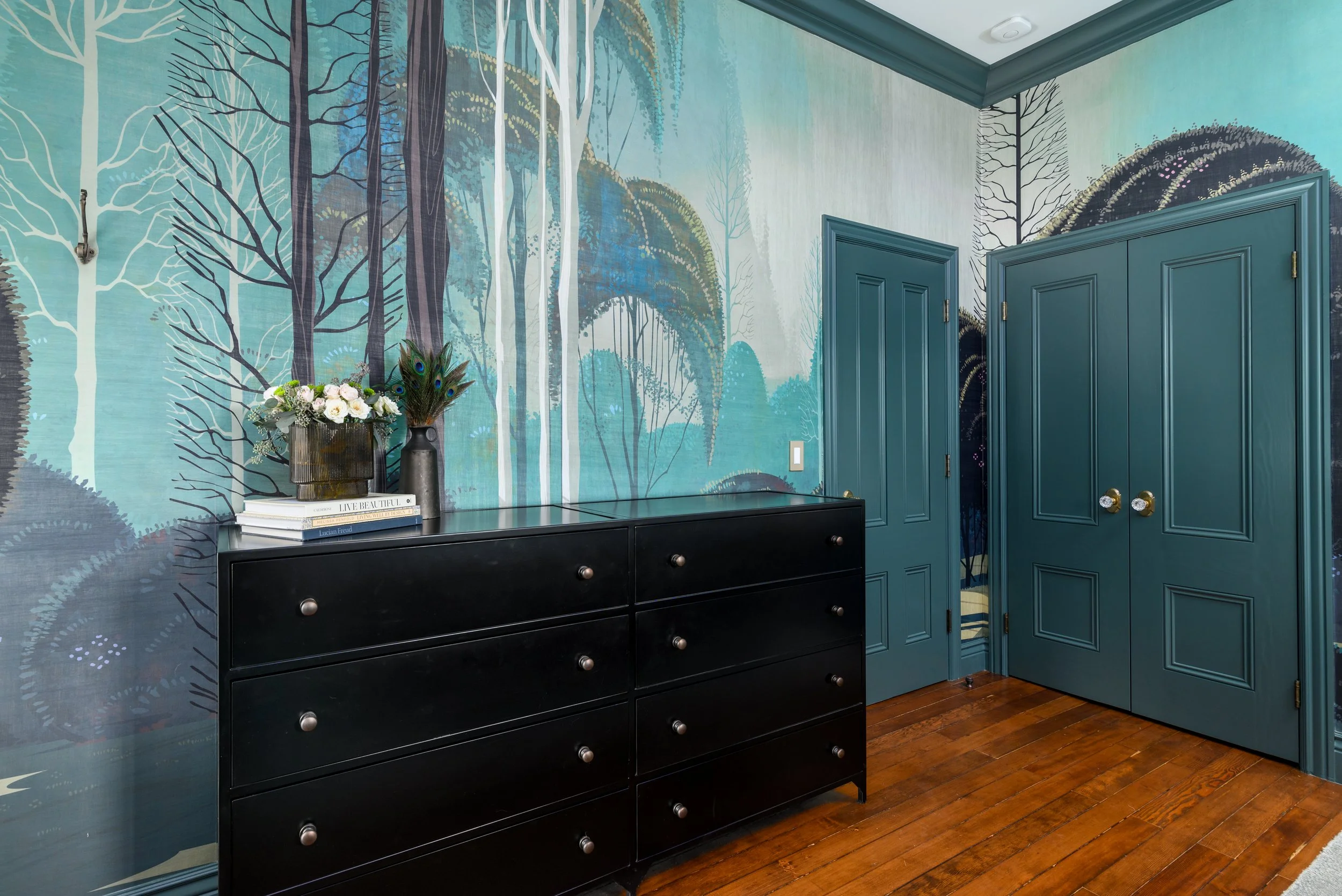
Research shows that biophilic design can:
Reduce stress and anxiety
Improve focus, creativity, and memory
Support better sleep and mood regulation
Encourage a sense of calm and balance at home
When thoughtfully applied, biophilic principles support how we actually live, whether that is unwinding after a long day, hosting friends, or creating spaces that feel comfortable for the whole family.
And the best part is that you do not need a full renovation to start experiencing the benefits.
Three Ways to Incorporate Biophilic Design in Your Home
1. Introduce Living Elements Thoughtfully
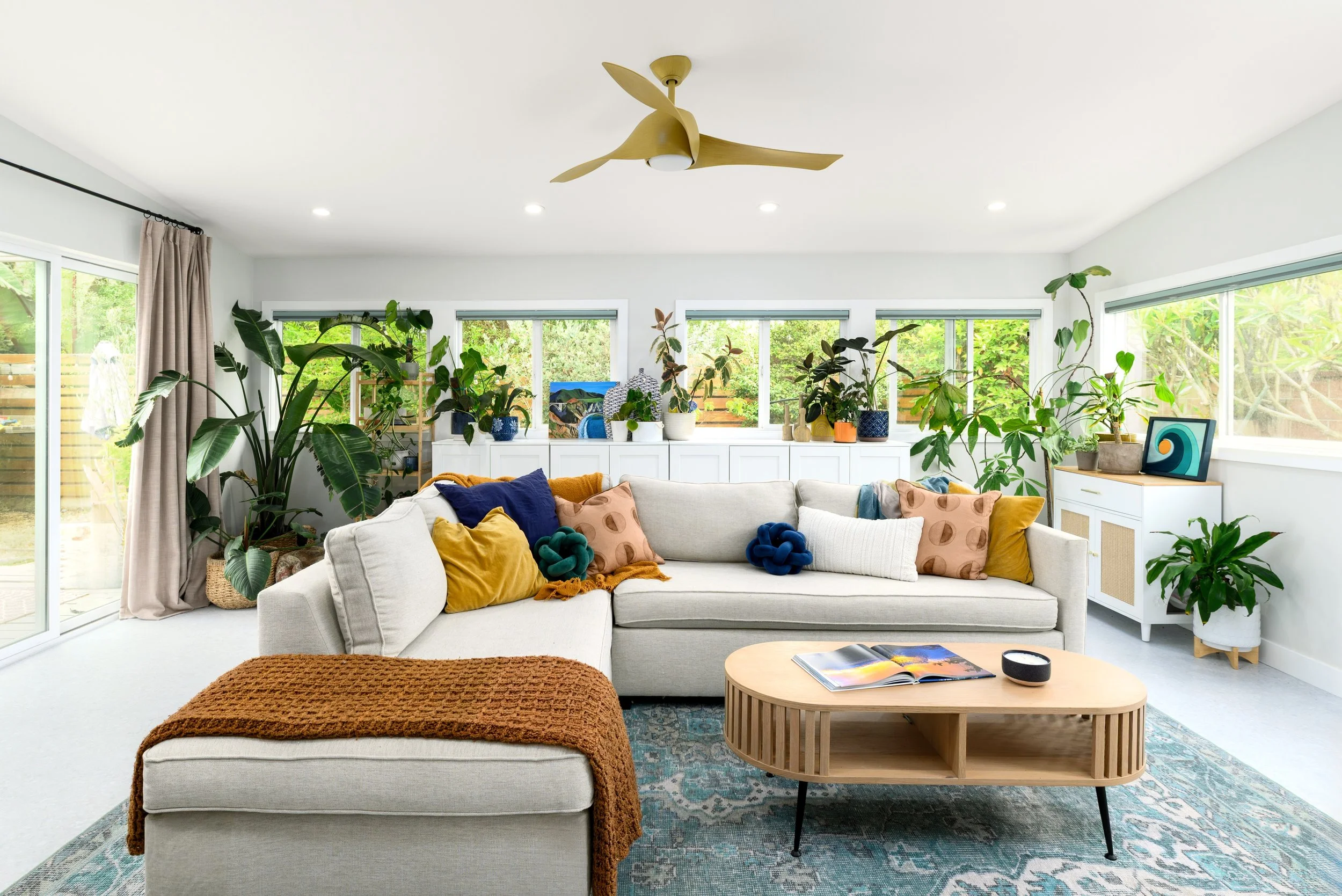
Plants are often the gateway into biophilic design, and for good reason. They improve air quality, increase oxygen levels, and add a sense of vitality to a space.
For homeowners in coastal California, we love recommending easy, humidity-tolerant plants like:
Spider plants
Pothos
Philodendrons
Rubber leaf plants
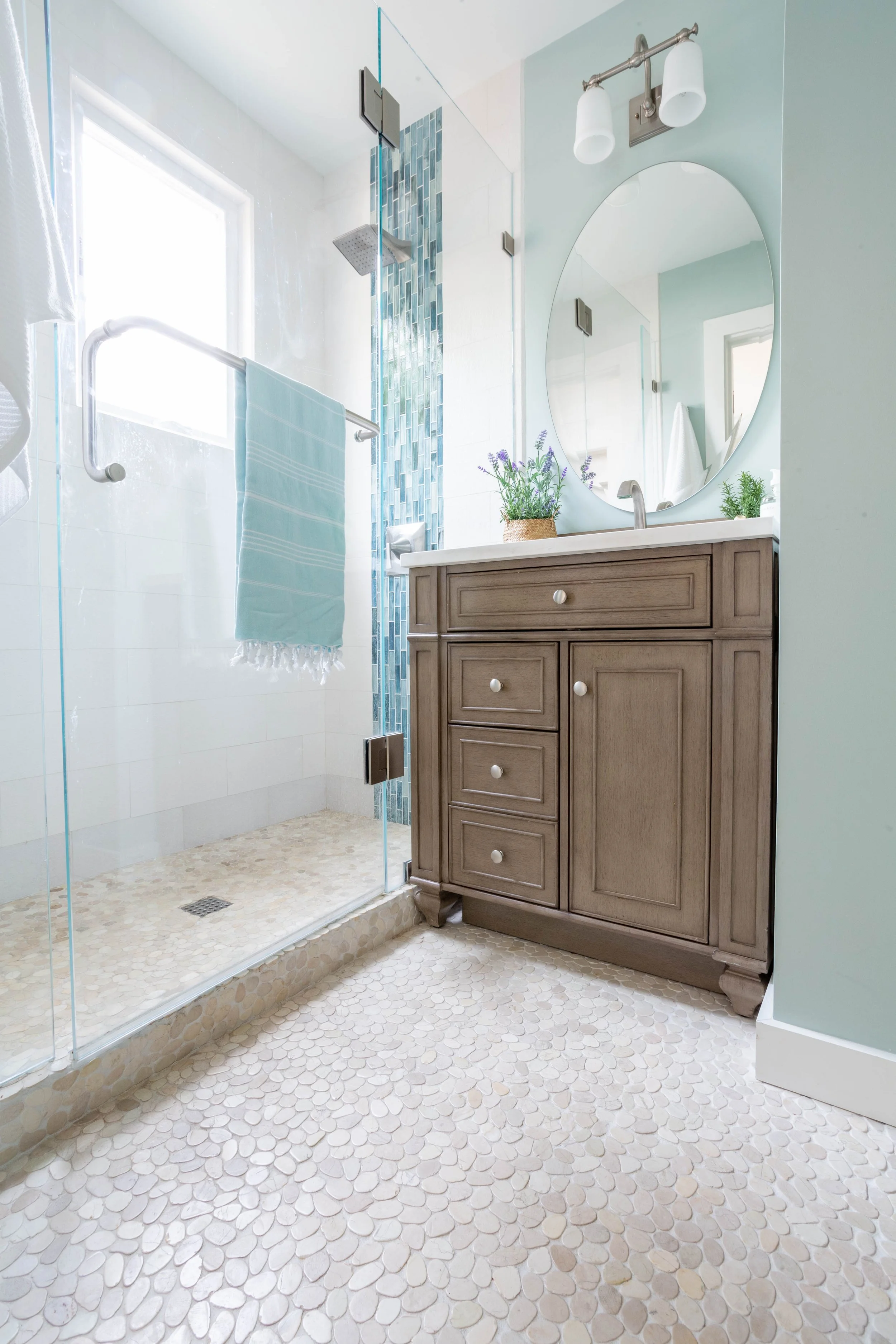
These are low-maintenance options that work beautifully in living rooms, bedrooms, kitchens, and well-lit bathrooms.
That said, plants are just one piece of the puzzle. True biophilic design engages multiple senses, including sight, touch, sound, and airflow.
2. Use Light the Way Nature Intended
Light is one of the most powerful tools in biophilic design and often the most overlooked.
In nature, light is dynamic. It shifts throughout the day, creating rhythm, contrast, and shadow. Thoughtful lighting design helps recreate that experience indoors.
When designing homes throughout Ventura and Santa Barbara, we often focus on:
Maximizing natural light with windows, skylights, or solar tubes
Paying attention to how sunlight moves through the home over the course of the day
Layering ambient lighting with lamps and sconces for softer evenings
Choosing warmer light bulbs, generally under 3500K, in living spaces
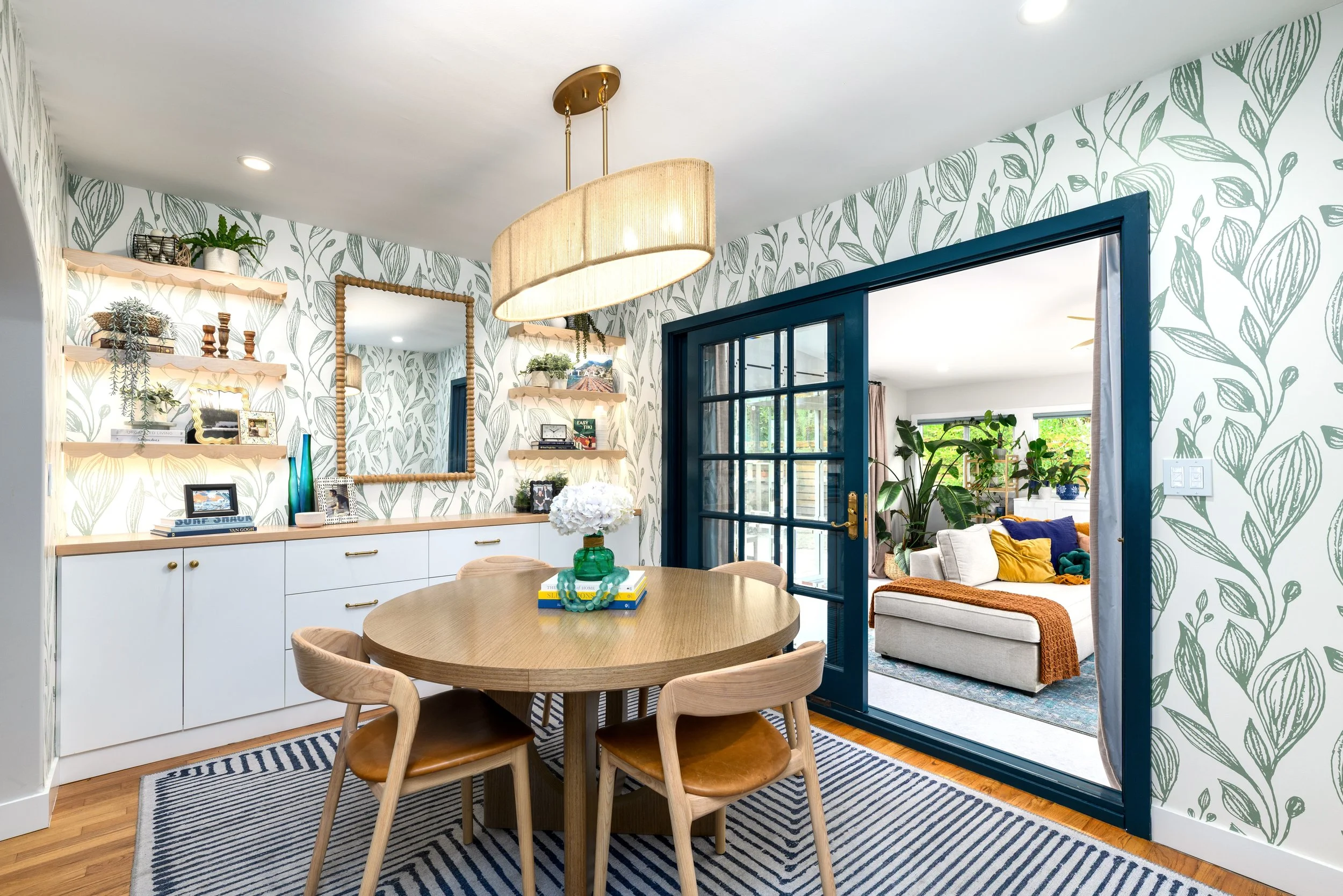
This approach does not just look beautiful. It supports circadian rhythms and helps spaces feel more relaxed and human.
3. Choose Materials That Feel as Good as They Look
The materials we live with every day have a quiet, yet powerful impact on how our homes feel.
Natural materials, especially those that are minimally processed, tend to create calmer, more grounding environments. Think:
Wood
Natural stone like quartzite
Linen and wool textiles
Grasscloth wallcoverings
These materials add warmth, texture, and depth while supporting a sense of comfort and ease.
That said, real life matters. Durability, budget, and lifestyle always come into play in our designs, and sometimes, performance fabrics or engineered materials are the right choice. Biophilic design is not about rigid rules. It is about making thoughtful choices where they matter most.
Biophilic Design Works Room by Room
One of the things we love most about biophilic design is how adaptable it is. These principles can enhance:
Living rooms that feel calm yet inviting
Bedrooms that support rest and relaxation
Kitchens that feel grounded and welcoming
Bathrooms that function as personal wellness spaces
Home offices that encourage focus and creativity
No matter the room, the goal remains the same. Create spaces that support real life and real people.
A More Natural Way to Live at Home
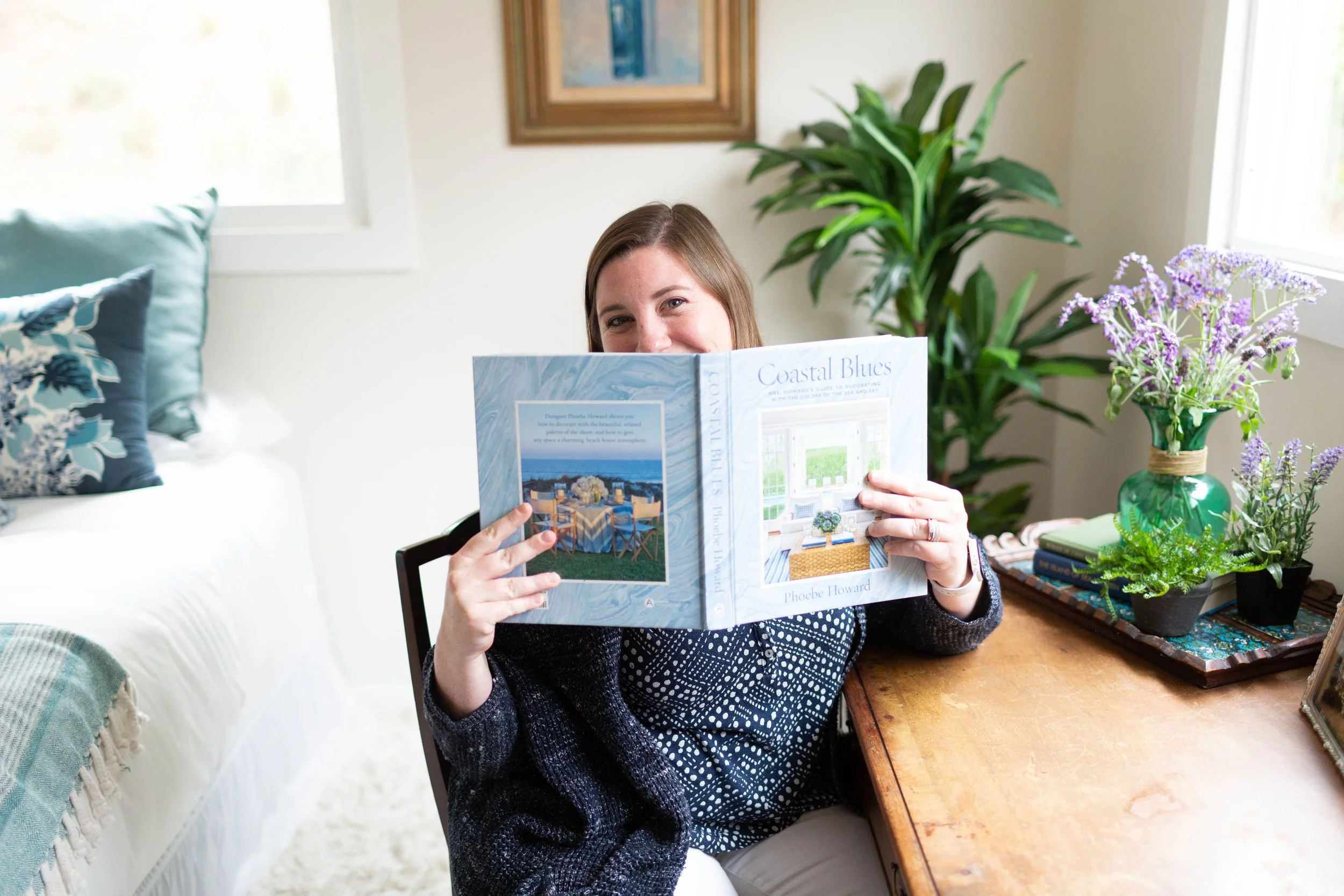
Giving your home a little nature love can take many forms, from swapping materials and adjusting lighting to adding texture or simply being more intentional about how your spaces feel.
Whether you are planning a full renovation or small, meaningful upgrades, biophilic design offers a way to create a home that feels connected, grounded, and truly livable.
At Designology Studio, we help homeowners create spaces that reflect their lifestyle, support their well-being, and feel like a breath of fresh air.
If you are ready to explore how biophilic design could work in your home, we would love to help.