
Designing a Vacation Home That Actually Feels Like an Escape
There’s a funny thing that happens with vacation homes.
People imagine breezy mornings, coffee on the patio, long dinners with friends, kids disappearing into bunk rooms, and that magical feeling of finally exhaling.
The best vacation homes don’t just look beautiful, they feel easy. They invite you to put your feet up, open the doors, pour another glass of wine, and stay awhile.
At Designology Studio, we believe vacation home design should create a true sense of escape without sacrificing comfort, durability, or the realities of life.
Because if you’re worried about every spill, sandy foot, or where guests are supposed to sit, are you really on vacation?
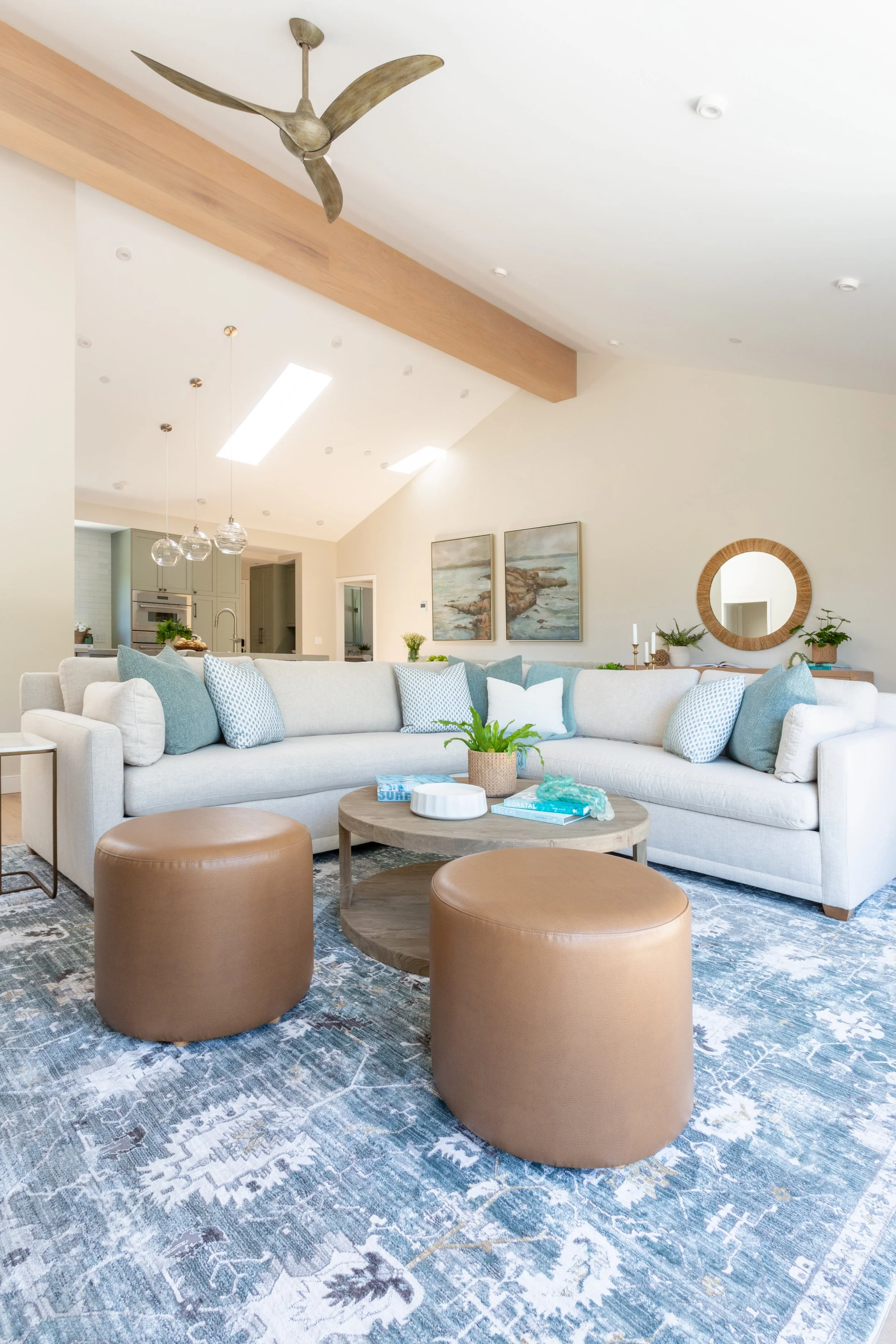
What Makes a Vacation Home Feel Different from a Primary Residence?
A primary home has to work hard. It handles school mornings, laundry piles, grocery drop-offs, homework at the island, and the thousand little routines of everyday life.
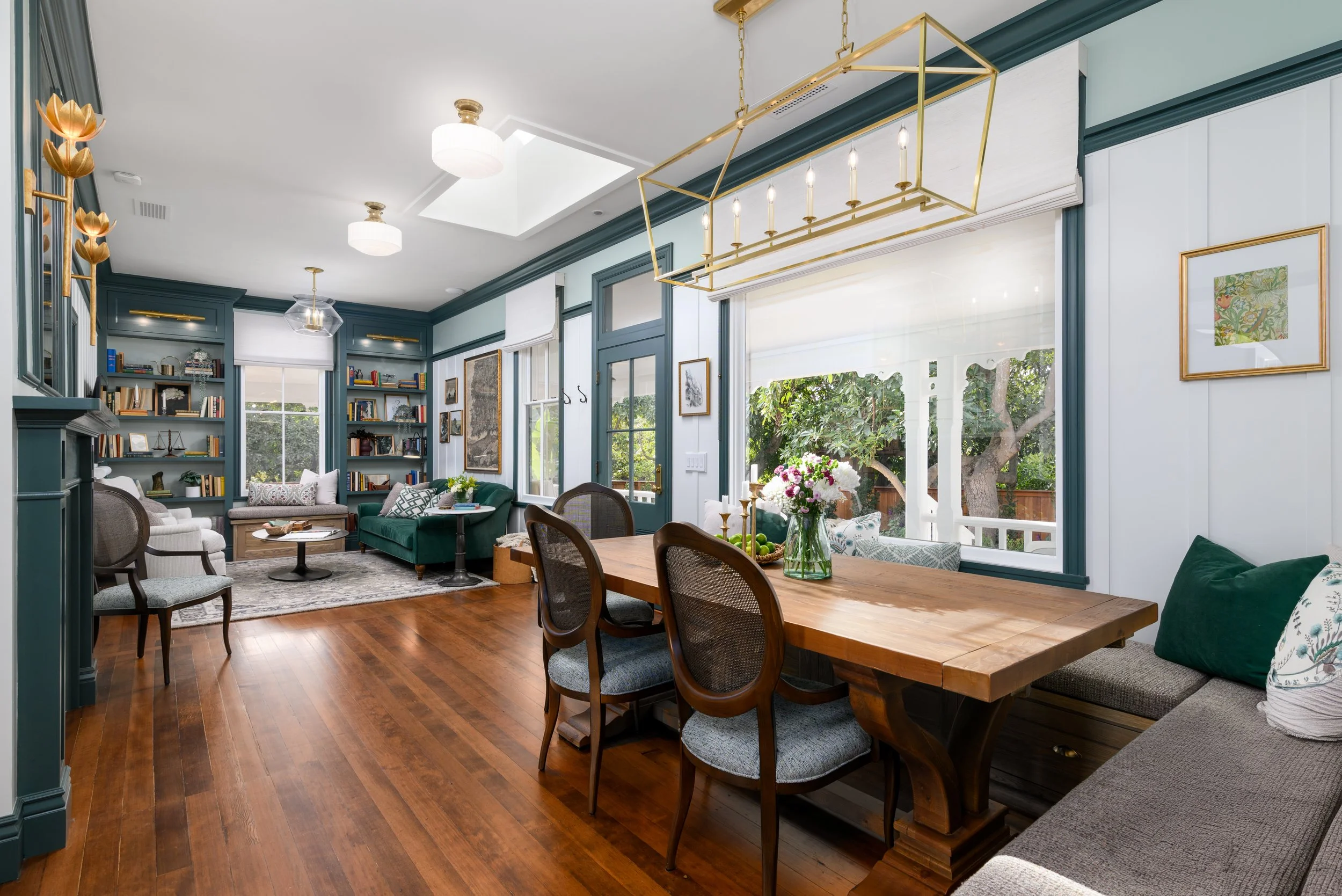
A vacation home has a different job.
It means the design intentionally supports rest, connection, and ease.
That often looks like:
Softer transitions between spaces
More lounge-driven layouts
Flexible guest accommodations
Durable finishes that don’t require constant vigilance
Indoor/outdoor flow that encourages slower living
Spaces designed for gathering—not just “looking nice”
A second home should feel like a version of your life you actually want more of.
Prioritizing Durability Without Killing the Vibe

Let’s be honest: vacation homes get used. And that’s kind of the point.
Between guests, kids, suitcases, sunscreen, snacks, damp towels, and the occasional enthusiastic red wine pour, materials matter.
But durable doesn’t have to mean utilitarian. Some of our favorite ways to balance beauty and practicality:
Performance Fabrics: Think soft, elevated, and forgiving fabrics that go from poolside to movie night.
Durable Flooring: Durable flooring materials that can handle sandy traffic and everyday wear without constant upkeep.
Washable Layers: Slipcovers, practical textiles, and easy-care bedding make keeping things clean easy.
The goal isn’t designing against life. It’s designing for it.
Designing for Guests + Hosting Without Stress
Vacation homes tend to become gathering spaces.
Which sounds lovely until you realize twelve people need coffee, somewhere to sit, and at least one bathroom that doesn’t turn into a morning fight over who gets to go first.
That means thinking through:
Where guests naturally drop bags
Multiple conversation zones
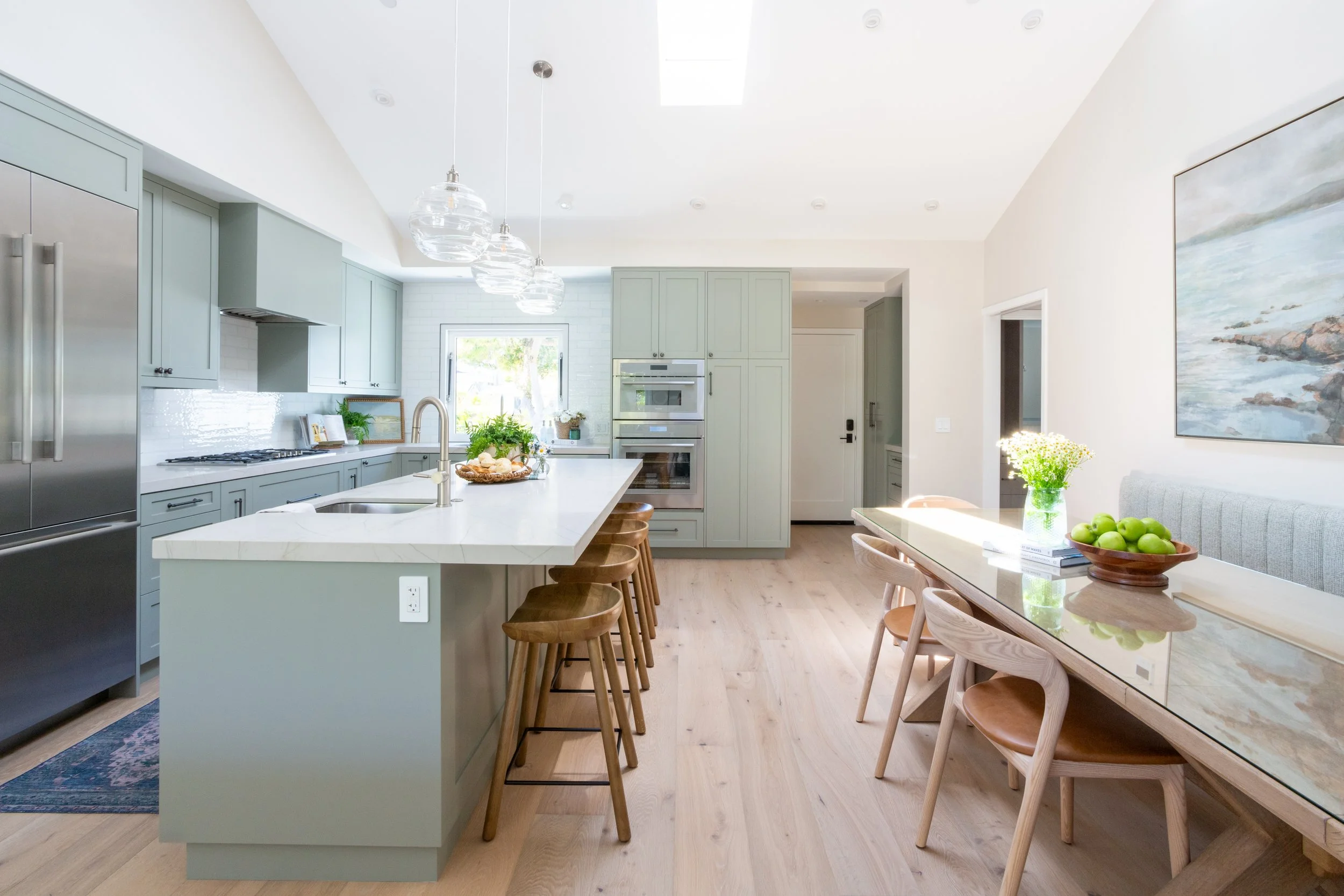
Easy pathways between kitchen, dining, and lounge spaces
Enough bedside lighting
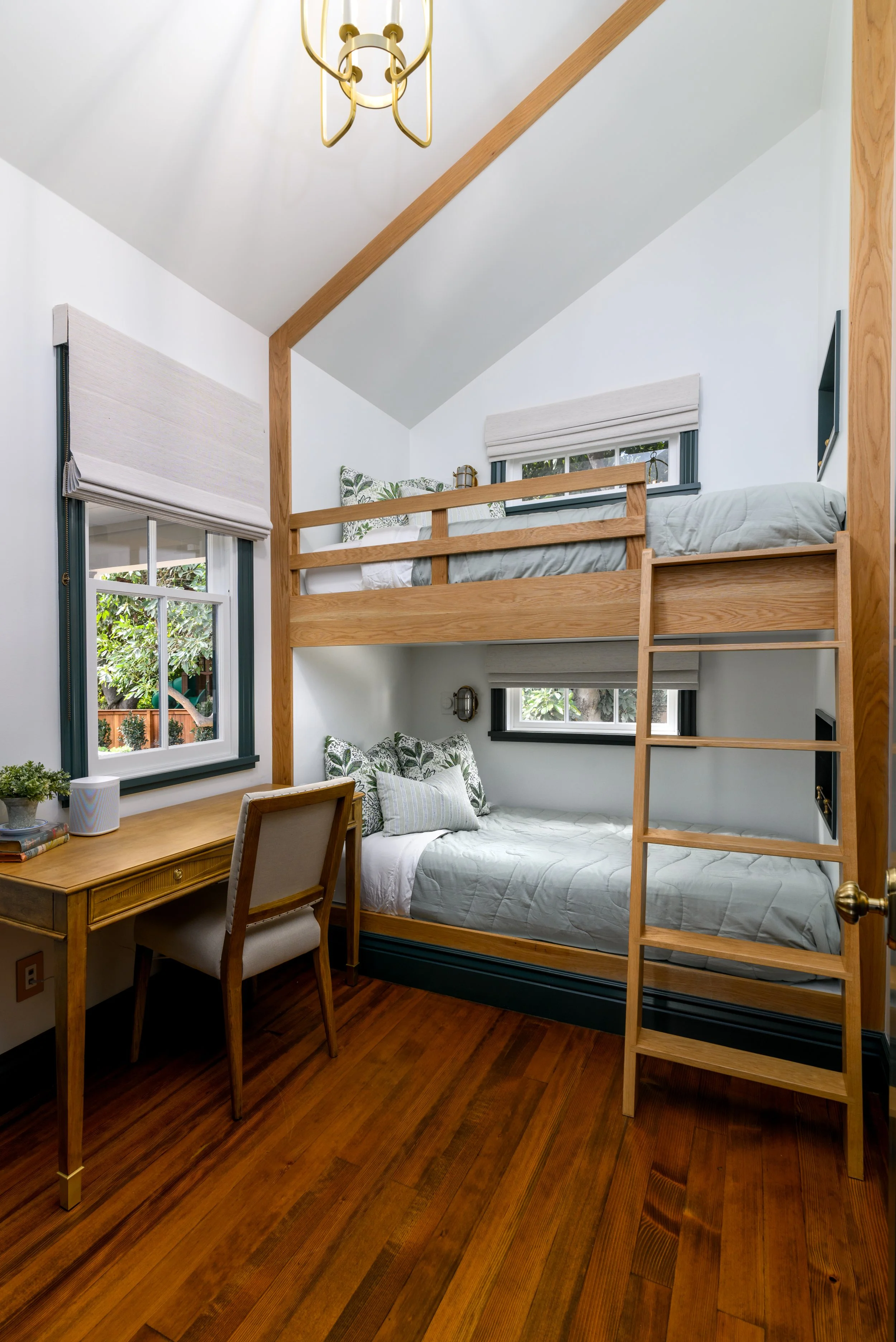
Flexible sleeping arrangements (Bunk rooms can be especially brilliant when done well)
Durable guest bathrooms
Storage that keeps visual clutter from taking over
When you design your vacation home with guests in mind, it creates flexibility, encourages connection, and instantly makes a house feel more fun.
Layer Personality + Local Influence

A vacation home should reflect its setting, but subtlety is your friend.
A coastal home doesn’t need rope knots and literal seashells.
A mountain retreat property doesn’t need to be a rustic lodge.
Instead, we like drawing inspiration through:
Natural materials
Color palettes influenced by the landscape
Relaxed textures
Indoor/outdoor transitions
Architectural cues
Art that feels regionally authentic
The goal is a home that feels connected to its surroundings while still feeling deeply personal to you.
Create Spaces Where Memories Actually Happen
When we design second homes, we think less about rigid room labels and more about emotional outcomes.
Maybe it's morning coffee in a cozy reading nook.
Board games after dinner.
Kids piled into a bunk room sharing ghost stories.
Or long conversations over wine that last until midnight.
When planning a second home, we like to ask:
Where will people naturally gather?
Where can someone sneak away for quiet?
Where does this house encourage connection?
Because beautiful spaces are lovely, but memorable spaces are better.
Designing a Vacation Home in Santa Barbara, Ventura & Beyond
Designing a second home in California comes with its own unique opportunities and realities, from salty air and sun exposure to the desire for spaces that feel effortless, welcoming, and beautifully lived in. Whether you're creating a retreat in Santa Barbara, reimagining a second home in Ventura, refreshing a Montecito getaway, or designing a laid-back Ojai escape, the team at Designology Studio is here to help alleviate the pressure of solving those details alone.
Reach out today to schedule your vacation home consultation.